7 Ways to Experience a Private July Safari in Kenya and Tanzania
There is a particular clarity to East Africa in July.
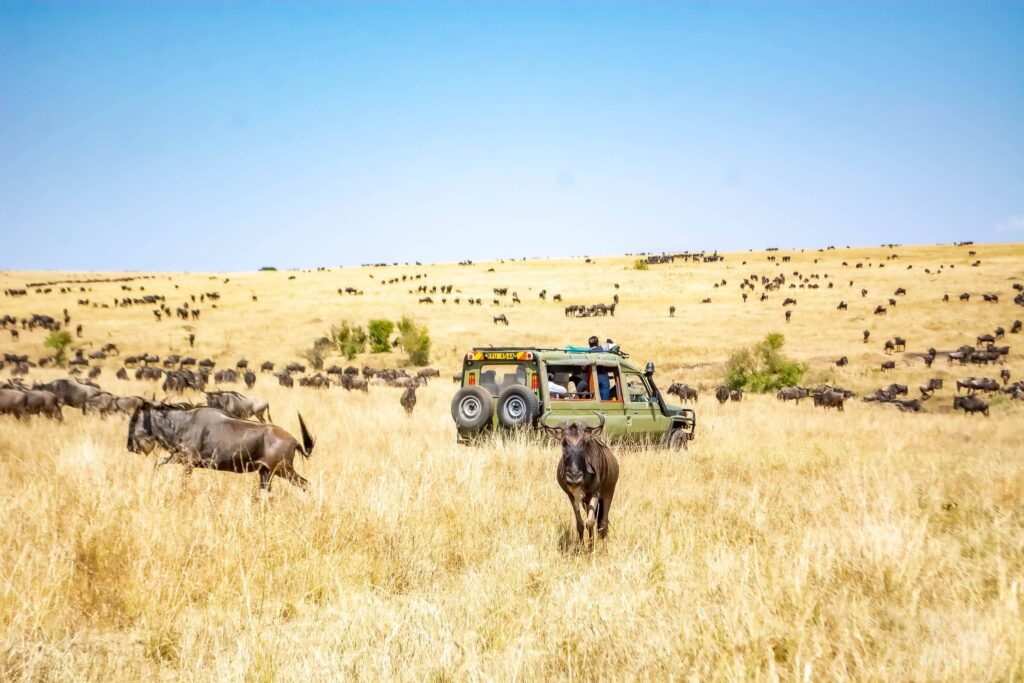
The grass begins to thin. The mornings arrive cool and pale. Dust lifts behind the vehicle in soft ochre clouds. Elephants move with purpose toward water. Lions become easier to read in the shorter grass. In the distance, the great movement of wildebeest and zebra presses northward through the Serengeti–Mara ecosystem, not as a performance, but as an ancient search for rain, grazing and survival.
For many travellers, July marks the beginning of the safari season they have imagined for years.
It is also the season that must be handled with the most care.
Peak safari months in Kenya and Tanzania can be magnificent: strong wildlife viewing, dramatic light, drier conditions and the charged anticipation of the Great Migration. But they can also expose the weakness of a poorly edited itinerary. Too many lodge changes. Too little privacy. Camps chosen for reputation rather than suitability. Famous sightings approached with everyone else. A route that looks impressive on paper but leaves the traveller feeling managed by movement rather than restored by place.
At Altivago, July is not a month we treat with urgency.
It is a month we treat with precision.
1. Understand Why July Is So Sought After
By July, the dry season has begun to shape the land.
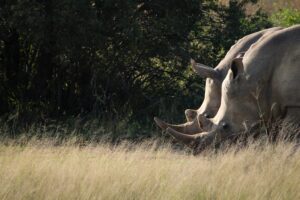
In Tanzania, the Serengeti’s great herds are typically moving toward the northern plains and river systems, with the Mara River becoming increasingly important as the season progresses. In Kenya, the Maasai Mara and its surrounding private conservancies begin to attract travellers hoping to experience the migration’s northern chapter. Tarangire grows richer as wildlife concentrates around water. Laikipia sharpens into a beautiful dry-season landscape of elephants, lions, wild dogs, rhino conservation areas and wide private wilderness.
This is why July holds such appeal.
It offers drama, but not only drama. It offers visibility, contrast, movement and anticipation. For families travelling during school holidays, couples seeking a safari with emotional scale, photographers drawn to dust and low light, and private clients wanting a fully handled seasonal journey, July can be exceptional.
The difference lies in how it is designed.
A July safari should not be a race toward the most famous place. It should be a carefully composed route that protects the guest from the pressure of the season.
2. Know That Peak Season Is Not the Problem. Poor Design Is.
A busy season does not automatically create a crowded safari.
Poor design does.
The wrong camp in July can feel too exposed to traffic. The wrong section of the Mara or Serengeti can make even remarkable wildlife feel public. The wrong transfer sequence can drain the elegance from the journey before the guest has fully arrived. The wrong guide can turn a sighting into pursuit rather than interpretation.
For a luxury safari, the question is not simply, “Where is the migration?”
The better questions are quieter and more revealing.
Where can the guest experience this season with space? Which camp has the right guiding culture? Which conservancy, concession or reserve sector suits the traveller’s tolerance for movement and visibility? Is a river-crossing focus appropriate, or would the journey feel richer with broader ecosystem storytelling? Should the route favour Kenya, Tanzania, or a restrained combination of both?
This is where discernment becomes the luxury.
3. Choose Kenya for Private Conservancies, Mara Drama and Laikipia Depth
Kenya is especially strong in July for travellers who want the intensity of peak season softened by privacy.
The Maasai Mara remains one of Africa’s great wildlife landscapes. Its open grasslands, predator density and migration context make it deeply compelling at this time of year. But the main reserve can become busy around high-interest sightings, particularly when crossing activity begins to draw attention.
For Altivago guests, the surrounding private and community conservancies often provide a more considered way to experience the wider Mara ecosystem. They can offer lower vehicle density, elegant camp atmospheres, private guiding arrangements, walking in selected areas, night drives where permitted and a more flexible rhythm than the busiest sections of the reserve.
They also carry conservation importance. Kenya’s conservancy model helps protect wildlife habitat beyond state-protected areas, with community and landowner participation at the heart of many landscapes.
For the right traveller, a July Kenya safari might pair a private Mara conservancy with Laikipia rather than adding too many famous stops. The result is more texture: migration energy in the south, then quieter northern landscapes where conservation, private wilderness and strong guiding create a different kind of depth.
This is slow safari in practice.
Not less experience.
More room to receive it.
4. Choose Tanzania for Scale, Northern Serengeti Movement and the Art of Not Rushing
Tanzania in July carries a grander scale.
The Serengeti is vast enough to absorb many versions of safari, but it rewards exact timing and careful camp placement. By July, the northern Serengeti becomes increasingly important for migration-focused travellers, while other areas may still offer strong resident wildlife, predators and open-country drama.
A good Tanzania safari in July is not built by simply saying “Serengeti and Ngorongoro.”
It requires editing.
The northern Serengeti may be ideal for travellers drawn to migration movement and river systems. Tarangire can be superb as dry-season wildlife begins to gather around the Tarangire River, with elephants, baobabs and a more grounded sense of seasonal concentration. Ngorongoro can be powerful, but it needs to be included with care so the journey does not become too stop-start.
For repeat safari travellers, Tanzania’s quieter southern parks such as Ruaha or Nyerere can offer an entirely different expression of July: fewer vehicles, more elemental wilderness, walking or boating possibilities in the right locations, and a safari feeling less shaped by the migration conversation.
Tanzania asks for time.
When rushed, it becomes a sequence of transfers.
When paced well, it becomes immense.
5. Combine Kenya and Tanzania Only When the Journey Has Enough Time
A combined Kenya and Tanzania safari can be beautiful in July, particularly for travellers who want to understand the wider Serengeti–Mara ecosystem from both sides of the border. But combining countries should not be treated as proof of a better safari.
It only works when the journey has enough time.
For most luxury travellers, a rushed cross-border itinerary creates unnecessary friction: additional flights, border logistics, more packing, more transitions and less emotional arrival in each place. A better approach may be to choose one country and enter it deeply, or combine both with restraint over a longer journey.
A 10- to 14-night safari can hold a thoughtful Kenya–Tanzania combination.
A shorter journey often benefits from being edited.
The goal is not to collect destinations.
The goal is to protect the quality of the days.
6. Protect Privacy Through Camp Choice, Guiding and Pace
Privacy in July is not created by one decision.
It is created by many.
The camp size matters. So does the room location. The guide matters. The vehicle arrangement matters. The time of departure matters. The conservancy or concession rules matter. The number of nights matters. Even the order of destinations can change whether a journey feels elegant or exposed.
For private clients, families, honeymooners and public-facing travellers, these decisions should be made before anything is confirmed.
At Altivago, we look closely at how a property behaves in peak season. Does it still feel calm when full? Are vehicles well managed around sightings? Can dining be discreet? Is the guide assigned or shared? Are transfers direct enough? Does the camp protect quiet, or does it rely on social energy? Will the guest feel known without feeling watched?
The best July safari does not announce its privacy.
It simply feels protected.
7. Let the Coast Be the Exhale
After the dust and early starts of safari, the coast can bring a different kind of stillness.
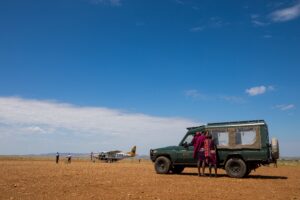
Lamu or Zanzibar can be added as a soft landing after the bush, but the beach should not feel like an afterthought. It should be chosen for atmosphere, privacy, flight flow and emotional contrast.
For some travellers, that may mean the Swahili grace and quiet cultural texture of Lamu. For others, it may mean Zanzibar’s Indian Ocean ease, selected carefully to avoid the busier edges of the island. The point is not simply to add “beach after safari.” The point is to finish the journey in a way that allows the body to settle.
After days of lion tracks, river crossings, dry-season light and cool morning drives, the coast becomes the exhale.
Why Slower Is Stronger in July
July tempts travellers to add more.
More parks. More crossings. More flights. More dramatic possibilities.
But East Africa is rarely improved by speed.
A slower safari gives the guide time to understand the guest. It gives the landscape time to change. It allows children to settle, photographers to return to a promising area, couples to find silence, and private clients to move without constant logistical interruption.
It also reduces the sense of pressure around the migration.
A river crossing is never guaranteed. Nor should a safari depend entirely on one. The deeper experience lies in the whole ecosystem: the waiting, the weather, the predators, the grazing, the tension at the riverbanks, the quieter herds moving through open grass, the vultures in the trees, the guide reading tracks in the dust.
Peak season rewards patience more than pursuit.
This is the heart of slow safari.
What Families Should Know About a July Safari
July is a strong family safari month, especially for travellers working around school holidays.
But family safari design requires more than child-friendly branding. It requires thoughtful room configurations, flexible meals, guides who know how to hold different attention spans, safe camp layouts, private vehicles where possible and enough downtime between early starts.
A family should not feel processed through peak season.
Children often respond best to depth rather than constant movement: returning to the same guide, learning individual animal behaviour, identifying tracks, understanding local cultures respectfully and having time to rest in camp between drives.
A slower July itinerary can feel more luxurious for parents too.
Fewer transitions mean fewer bags, fewer wake-up calls, fewer explanations and more room for the family to actually be together.
What Honeymooners and Couples Should Know About July
July can be beautiful for a honeymoon or anniversary safari, but it should not be over-staged.
The most romantic safaris are rarely the loudest. They are found in well-placed rooms, private meals without theatre, quiet guiding, unhurried afternoons, thoughtful service and enough space for the couple to arrive fully into the journey.
For couples, we often prefer a route that balances intensity and softness.
The Mara or Serengeti may provide the wild drama. Laikipia, Ruaha, Lamu or Zanzibar may provide the stillness. What matters is not simply the setting, but the emotional rhythm between places.
A honeymoon safari should not feel like a performance.
It should feel like the world has become quieter around two people.
What Photographers Should Know About July
For photographers, July brings strong conditions: clearer visibility, dust, wildlife concentration, cooler mornings and the possibility of dramatic migration movement.
But the finest photographic safaris depend on guiding patience.
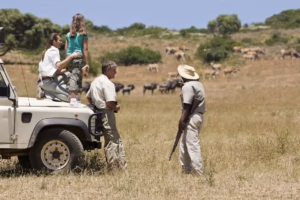
The right guide understands light, distance, vehicle positioning, animal comfort and when not to interrupt behaviour. A private vehicle is often worth prioritising, not for status, but for creative control. It allows time to wait, reposition slowly, follow a particular subject and build a story beyond the obvious frame.
Photographers should also consider whether they truly want the most dramatic migration scene, or whether they want a broader visual narrative of East Africa in dry season.
The second is often more rewarding.
The Altivago View on July
We do not believe July should be sold as a spectacle.
It should be interpreted as a season.
A season of movement, dust, river tension, predator focus, cool mornings, longer shadows and high demand. A season where the famous landscapes can still feel intimate when entered through the right doors. A season where luxury depends less on display and more on judgment.
The question is not whether July is a good time to safari in Kenya or Tanzania.
It is whether the itinerary has been designed with enough restraint to let July be good to you.
At Altivago, we shape peak-season safaris around privacy, pacing, conservation context, strong guiding and the quiet removal of friction. We choose where to be specific and where to leave room. We know when a famous place is right, and when a quieter one will serve the traveller better.
July can be quietly extraordinary.
But only if it is not overfilled.
A Quiet Invitation
For travellers considering a July, August or September safari in Kenya or Tanzania, Altivago begins with the rhythm of the journey: who is travelling, how much privacy is needed, what the season is doing, and how slowly the experience should unfold.
The right safari is not the busiest route through East Africa.
It is the one that lets the land arrive.